



Education at Junior High School (SMP) differs from Elementary School (SD) due to distinct goals, approaches, and developmental demands. However, many SMP students still struggle with SD material. Here’s a breakdown of the reasons, contributing factors, implications, and brief solutions:
1. Curriculum goals and focus differ:
– SD: Focuses on foundational skills (literacy, numeracy), basic concepts, and character development for ages 6-12. The approach is holistic and introductory.
– SMP: Bridges elementary and high school, emphasizing concept consolidation, critical thinking, and specific academic skills for ages 12-15. Material becomes more abstract and analytical.
2. Learning methods and cognitive levels differ:
– SD: Concrete, hands-on learning aids initial concept understanding.
– SMP: More abstract and theoretical, requiring application of basic concepts in new contexts. Weak SD foundations hinder understanding of complex SMP material.
3. Factors causing SMP students to struggle with SD material:
– Uneven foundational mastery: Not all students grasp basic skills in SD due to teaching quality, learning time, parental support, or individual challenges (e.g., reading/math difficulties).
– Curriculum transition gaps: SD and SMP curricula sometimes lack integration, creating competency gaps.
– Psychosocial changes in adolescence: Emotional shifts, motivation, and focus affect concentration and interest in reinforcing basics.
– SMP teaching assumptions: Teachers often assume prior SD knowledge, skipping reviews or diagnostics.
– External factors: Limited resources, large classes, lack of home support, and absenteeism impact basic skill mastery.
SCHOOL CHAPTER II: Is Elementary School The Foundation For Students To Gain Knowledge?
4. Impacts of not understanding SD material in SMP:
– Difficulty with advanced lessons; declining academic performance.
– Lower motivation and confidence, higher dropout risk.
– Hindrance to critical thinking and complex reasoning development.
5. Solutions and mitigation:
– Diagnosis and remediation: SMP schools should conduct initial assessments and remedial programs to address SD gaps.
– Curriculum integration and inter-level coordination: Strengthen competency alignment between SD and SMP teachers for smoother transitions.
– Differentiated teaching methods: SMP teachers use concrete approaches and scaffolding for weaker students.
– Parental and environmental support: Reinforce home support and access to additional learning resources.
– Basic skill development in SMP: Intensive literacy and numeracy programs early on.
– Teacher training: Enhance SMP teachers’ skills in identifying and addressing foundational gaps.
According to the writer opion above, the differences between SD and SMP education are natural, shifting from foundational to academic and character development.
However, uneven SD mastery causes SMP struggles. Effective solutions require curriculum coordination, initial diagnostics, structured remediation, responsive teaching, home support, and teacher training for a fairer, sustainable learning transition.
Do you agree or disagree with the idea? Please write your comment.
The author is an English language educator in Empat Lawang, South Sumatera










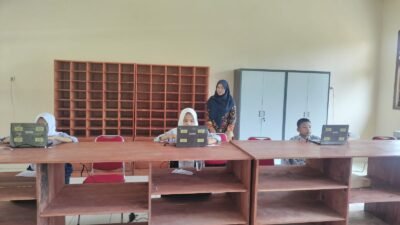

I agree. Sometimes we must repeat the material or the concept when the students are in SMP. There some different factors in teaching the students. One of the factors is in elementary school (SD) they are taught by one teacher for some lesson while in Hight school (SMP) students are taught by many teachersaccording to subject. This affects students’ bunderstanding bof the lessons and concepts
Thank’s for your message and impressions